
Tag: air-quality
-

Mapping the Invisible: Indoor-CO2 Atlas Launches Powerful Global Analytical Tools
In the realm of public health and building science, few metrics are as telling, yet traditionally invisible, as indoor carbon dioxide levels. High CO2 levels inside non-residential buildings like classrooms, cafes, offices, and public transit aren’t just a recipe for drowsiness; they serve as a primary proxy for poor ventilation and an increased risk of…
-
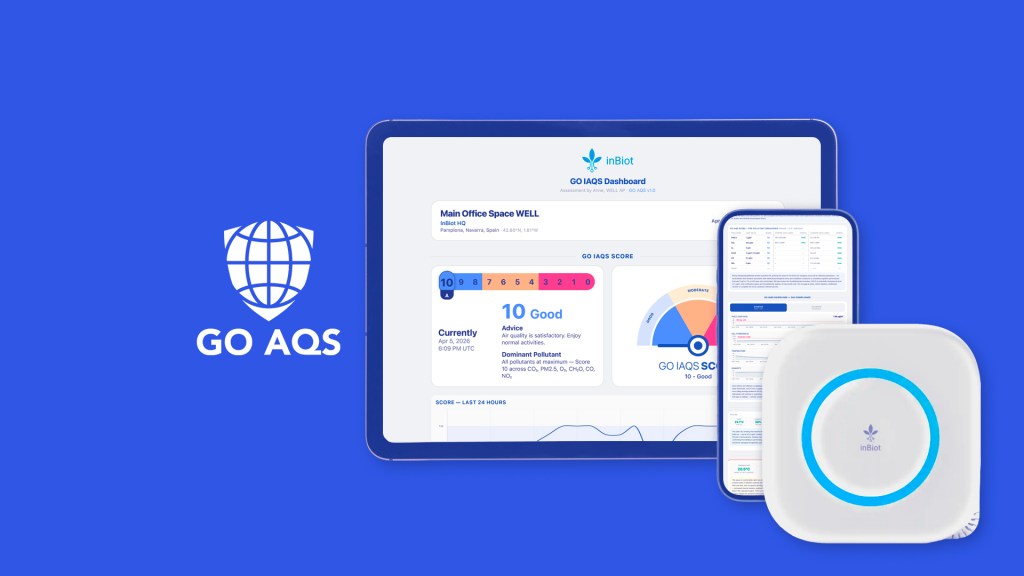
Bridging the Gap: GO IAQS Inside an inBiot AI Agent and What We’re Learning Building an Agentic IAQ Consultant
The transition from static Indoor Air Quality (IAQ) monitoring to active, intelligent intervention marks a pivotal shift in environmental health. By integrating the Global Open Indoor Air Quality Standards (GO IAQS) into an agentic AI framework, we are moving beyond simple data collection toward an “Agentic IAQ Consultant.” This article explores the technical and ethical…
-
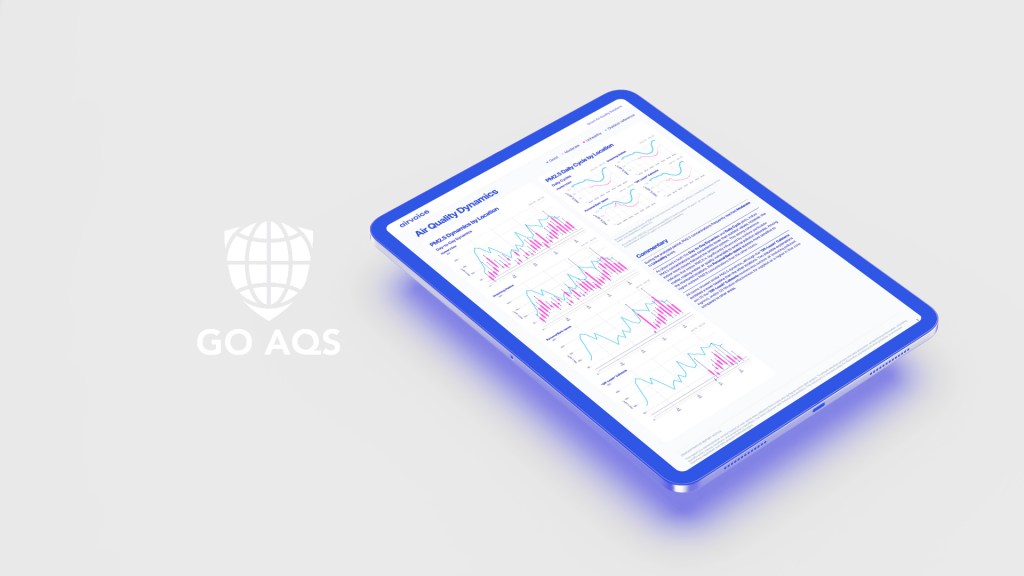
Bridging the Gap: AirVoice Implemented GO IAQS for Better Indoor Air Reporting
In the evolving landscape of building health, the lack of a standardized language for Indoor Air Quality (IAQ) has often left facility managers and occupants in the dark. Recognizing this, GO AQS introduced a unified framework in late 2025 to harmonize IAQ communication. AirVoice has recently demonstrated its leadership in this space by being among…
-
GO AQS and Smart Building Collective Announce Strategic Partnership to Redefine Healthy Smart Buildings
GO AQS is proud to announce a new strategic partnership with the Smart Building Collective (SBC). This collaboration marks a significant step forward in our mission to bridge the gap between technical air quality excellence and the global smart building ecosystem. By combining GO AQS’s deep technical expertise in indoor air quality (IAQ) and building science with…
-
Coming Soon: Mold Working Group Survey
We are gearing up to gather some essential insights, and we want your voice to be heard! Very soon, we will be reaching out to all members of the Mold Working Group with an invitation to participate in an upcoming survey. Your feedback is vital to shaping our next steps and ensuring we’re addressing the most pressing…
 GO AQS