
Category: News
-
Announcement: GO AQS Fully Supports the 3rd European Indoor Air Quality Conference
GO AQS is happy to announce its full support for the 3rd European Indoor Air Quality Conference, organized by the Geneva Health Forum (GHF) in close collaboration with the Italian National Institute of Health (Istituto Superiore di Sanità – ISS). The event will take place on 30 October 2026 at the ISS premises in Rome,…
-
Celebrating the UN International Day of Clean Air: Advocating for Healthy Air Indoors and Out
September 7, 2026 — Today marks the International Day of Clean Air for blue skies, a global observational day designated by the United Nations to raise awareness and drive action toward improving global air quality. At GO AQS, we are proud to stand alongside global leaders, environmental advocates, and communities worldwide in supporting this crucial…
-

Launching the Air Quality Monitoring Market Matrix (GO AQM3)
At GO AQS, we receive continuous requests from facility managers, enterprise clients, and organizations seeking impartial advice on the best indoor, outdoor, portable, wearable, handheld, and hybrid air quality monitors for their specific projects. To ensure complete fairness, transparency, and neutrality among our manufacturing partners, we are compiling the Global Open Air Quality Monitoring Market…
-

Bridging the IAQ Gap: How Alexandru Luchiian and ‘Strop de Aer’ Are Transforming Air Quality Awareness in Romania
We spend the vast majority of our lives indoors, breathing air that is often significantly more polluted than the air outside. Making the complex world of Indoor Air Quality (IAQ) understandable to the general public is no small feat. That is why we are thrilled to spotlight Alexandru Luchiian, who has developed an innovative IAQ…
-
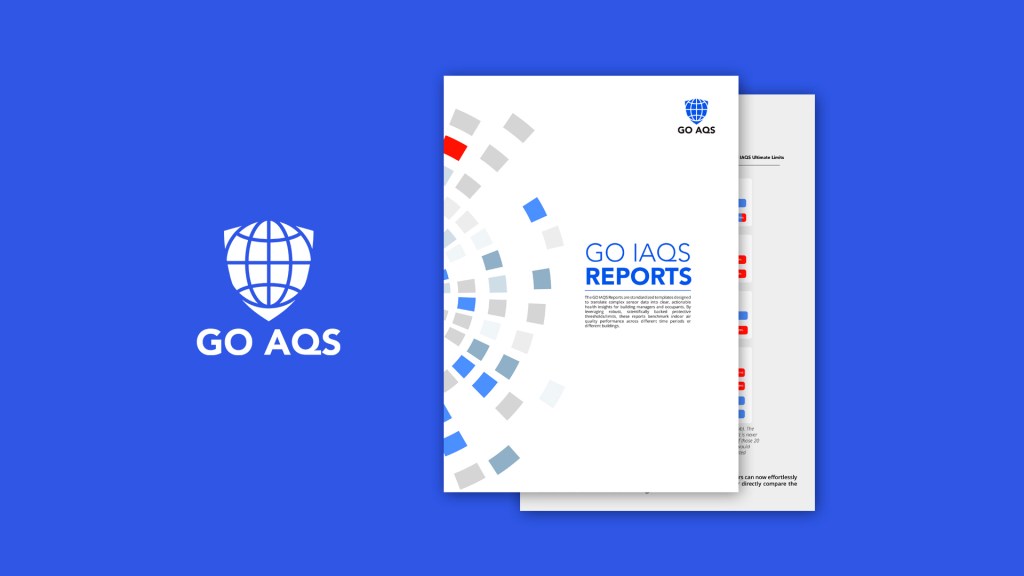
Introducing GO IAQS Reports
We are thrilled to announce the launch of our new tool GO IAQS Reports, a standardized template specifically engineered to track, visualize, and help occupant understand their health by measuring true pollutant exposure. In the world of environmental management, raw sensor data can often obscure the actual human impact. GO IAQS Reports solve this challenge…
 GO AQS