
Category: News
-

Mapping the Invisible: Indoor-CO2 Atlas Launches Powerful Global Analytical Tools
In the realm of public health and building science, few metrics are as telling, yet traditionally invisible, as indoor carbon dioxide levels. High CO2 levels inside non-residential buildings like classrooms, cafes, offices, and public transit aren’t just a recipe for drowsiness; they serve as a primary proxy for poor ventilation and an increased risk of…
-

GO AQS to Participate in Panel Discussion on Global IEQ Standards at Indoor Air 2026
GO AQS, a body that has developed an open indoor air quality framework, today announced that its founder Sotirios Papathanasiou will participate as a speaker among Maria Neira, Ulla Haverinen-Shaughnessy, Oluyemi Toyinbo, and Georgia Lagoudas in an upcoming workshop at the Indoor Air 2026 conference in Singapore. The workshop, titled “Do We Need Global IEQ Standards?,” will take place…
-

GO AQS Launches “GO IAQS for Schools”: A Global Initiative to Thriving Classrooms
GO AQS (Global Open Air Quality Standards) is proud to announce the introduction of GO IAQS for Schools, a strategic plan designed to transform educational environments from passive shelters into active, health-protective zones. This global intervention establishes a new standard for student wellness by moving away from generic ventilation advice toward enforceable, health-based performance metrics.…
-
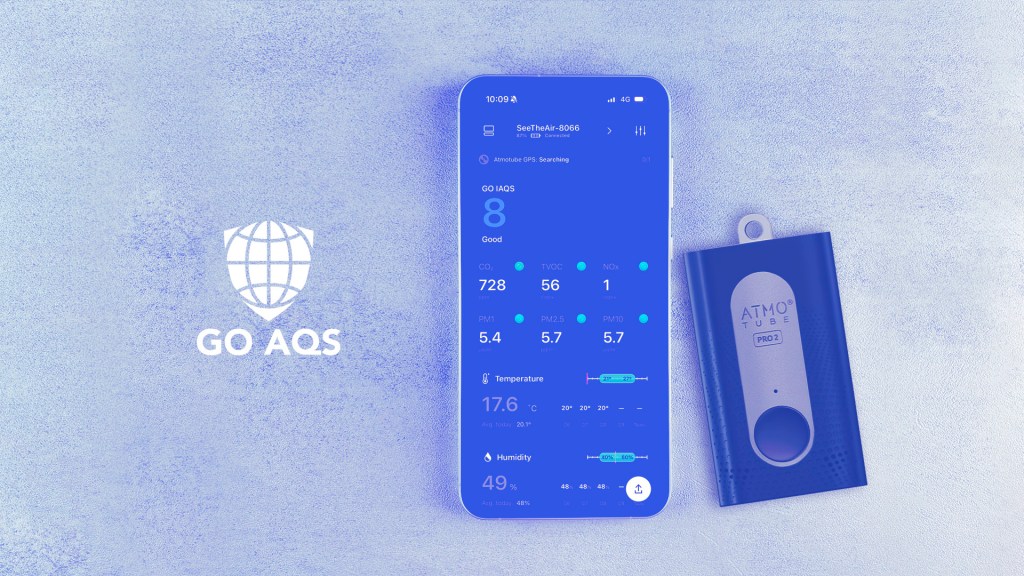
Bridging the Gap: ATMO Implemented GO IAQS for Better Air Quality Understanding
For years, the air quality industry has operated in silos, with different manufacturers using proprietary scales that often-left users more confused than informed. Today, ATMO, the innovator behind the Atmotube PRO and Atmocube, is bridging that gap. With its latest product update, ATMO has officially integrated the Global Open Indoor Air Quality Standard (GO IAQS)…
-
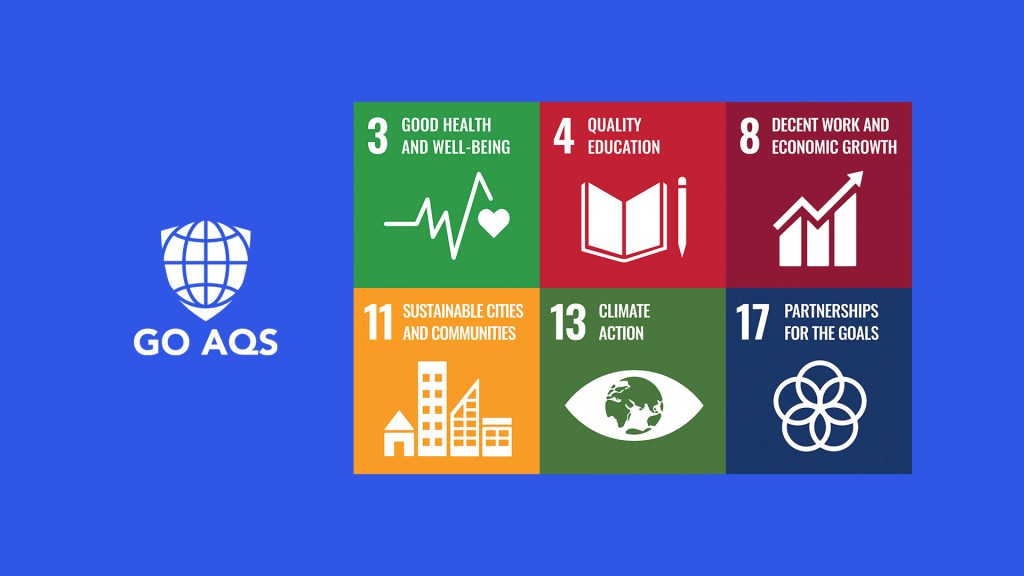
Driving Global Progress: How GO AQS Aligns with the Sustainable Development Goals
At GO AQS, our mission to ensure everyone breathes clean air is inextricably linked to the United Nations’ 2030 Agenda. By focusing on air quality, we are not just addressing an environmental concern; we are actively contributing to a broader global framework for health, equity, and sustainability. Health and Wellbeing at the Core The most…
 GO AQS