
Category: GO IAQS
-
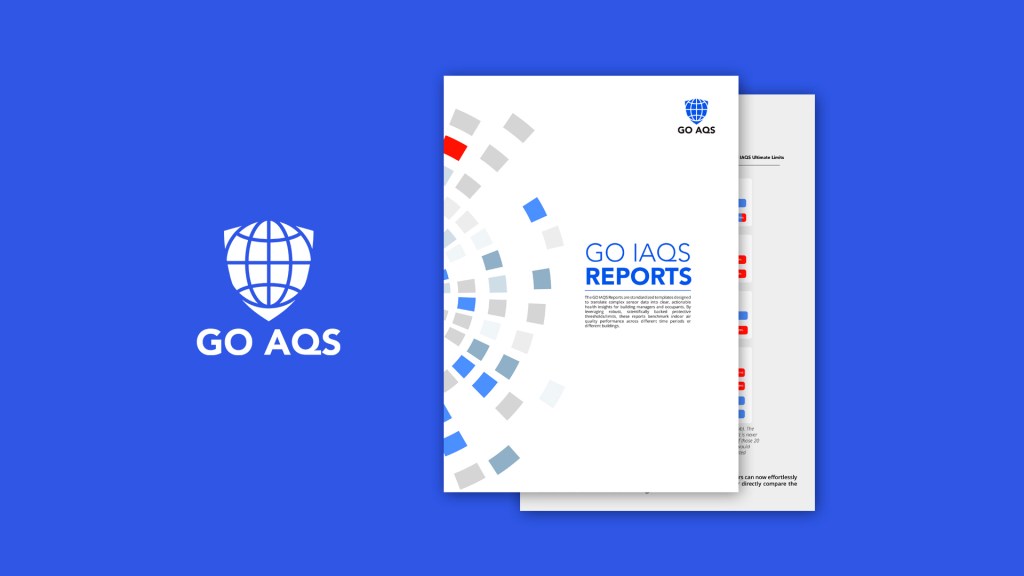
Introducing GO IAQS Reports
We are thrilled to announce the launch of our new tool GO IAQS Reports, a standardized template specifically engineered to track, visualize, and help occupant understand their health by measuring true pollutant exposure. In the world of environmental management, raw sensor data can often obscure the actual human impact. GO IAQS Reports solve this challenge…
-

GO AQS Launches “GO IAQS for Schools”: A Global Initiative to Thriving Classrooms
GO AQS (Global Open Air Quality Standards) is proud to announce the introduction of GO IAQS for Schools, a strategic plan designed to transform educational environments from passive shelters into active, health-protective zones. This global intervention establishes a new standard for student wellness by moving away from generic ventilation advice toward enforceable, health-based performance metrics.…
-
GO AQS White Paper v1.1.0.0 – Update
We are pleased to announce an update to our indoor air quality standards. This revision ensures our benchmarks remain scientifically rigorous while acknowledging the changing environmental realities of 2026. Changelog: You will find the latest version of the white paper on the home page at www.goaqs.org. If members have any comments about the changes please feel free…
-
The State of Mold Assessment: Insights from the GO AQS Mold Working Group
As the scientific community continues to grapple with the complexities of indoor mold, the GO AQS Mold Working Group conducted a comprehensive survey of industry experts. The goal was to move past anecdotal evidence and establish a clearer picture of how mold should be measured, interpreted, and communicated to the public. 1. International and Regional…
-
Coming Soon: Mold Working Group Survey
We are gearing up to gather some essential insights, and we want your voice to be heard! Very soon, we will be reaching out to all members of the Mold Working Group with an invitation to participate in an upcoming survey. Your feedback is vital to shaping our next steps and ensuring we’re addressing the most pressing…
 GO AQS