
Category: GO IAQS
-

Coming Soon: Mold Working Group Survey
We are gearing up to gather some essential insights, and we want your voice to be heard! Very soon, we will be reaching out to all members of the Mold Working Group with an invitation to participate in an upcoming survey. Your feedback is vital to shaping our next steps and ensuring we’re addressing the most pressing…
-

Summary of the PM Working Group Discussion on Submicron and Ultrafine Particles
Two sessions within the Particulate Matter (PM) Working Group have highlighted a critical shift in air quality monitoring: the move away from traditional mass-based measurements toward tracking the number and surface area of the smallest particles. While PM2.5 is currently well-regulated, the scientific community is increasingly concerned about submicron and ultrafine particles (UFP), which pose…
-
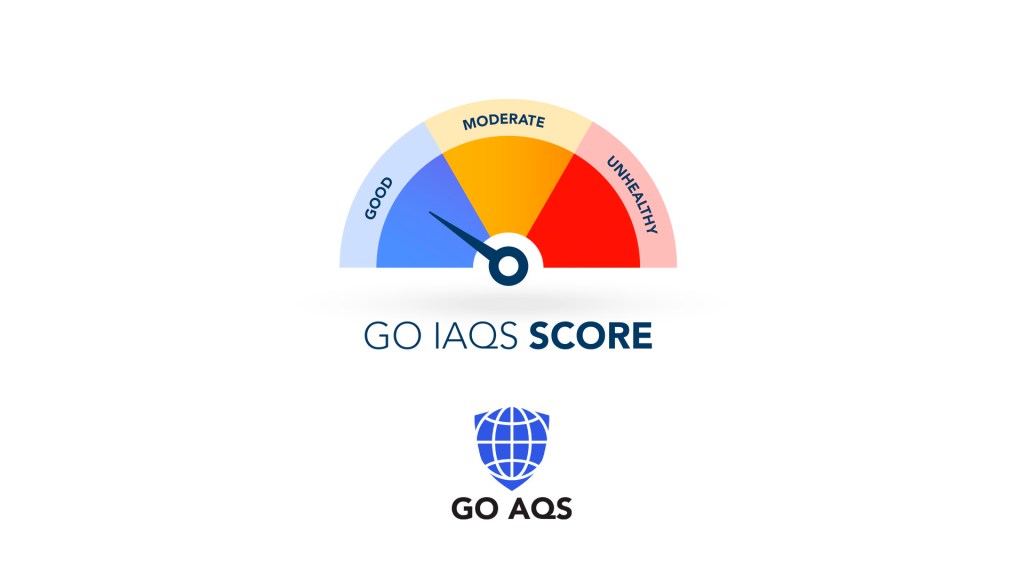
Why the GO IAQS Score Replaced Conventional “Green”
The shift from the conventional “Green” to the specific “Blue” hue in the GO IAQS Score represents a significant evolution in how we communicate environmental health. While green has been the conventional way for “Good” for decades, GO AQS has prioritized accessibility and psychological resonance over tradition. Here is why the transition to #658eff is more than just…
-

Standardizing Breath: How K-HEALTHinAIR is Mapping the Future of Healthy Indoor Environments
In recent years, the invisible atmosphere within our buildings has come under intense scrutiny. As we spend approximately 90% of our time indoors, the quality of the air we breathe has a profound impact on our long-term health, cognitive function, and general well-being. To address the significant gaps in our understanding of these effects, a…
-
A Synthesis of Expert Views on Submicron and Ultrafine Particles
For decades, the global standard for measuring indoor air quality (IAQ) has focused on PM2.5, particulate matter with an aerodynamic diameter of 2.5 micrometers or less. However, recent findings from the Particulate Matter Working Group suggest that this mass-based metric may be overlooking the most significant health risks. By synthesizing expert survey data and recent…
 GO AQS